Regular plumbing inspections catch small problems before they turn into leaks, backups, or water heater failures. But how often is often enough? Our licensed Atlanta plumbers walk through common maintenance timelines for homes and businesses. Treat these as general industry guidance, not hard rules. Your home’s age, pipe materials, and history all matter.
General Plumbing Inspection Timelines
Many plumbers suggest a professional plumbing inspection about once every one to two years for most homes. Older homes, homes with large trees near the sewer line, and homes with a history of problems may benefit from more frequent checks.
Here is a quick look at common timelines:
- Monthly (you): Look under sinks, around toilets, and near the water heater for drips, stains, or moisture.
- Seasonally (you): Check outdoor spigots, washing machine hoses, and exposed pipes. Prepare for winter before the first freeze.
- About once a year: Flush a tank water heater, per the manufacturer’s directions.
- Every one to two years: Have a licensed plumber inspect the whole system.
- Before buying an older home: Get a sewer camera inspection.
- After a major event: Have your plumbing checked after a hard freeze, a flood, or a sewer backup.
What a Professional Plumbing Inspection Covers
A thorough inspection looks at the full system, not just the problem you called about. It often includes:
- Visible supply pipes and fittings for leaks, corrosion, and wear
- Water pressure and the pressure-reducing valve (PRV)
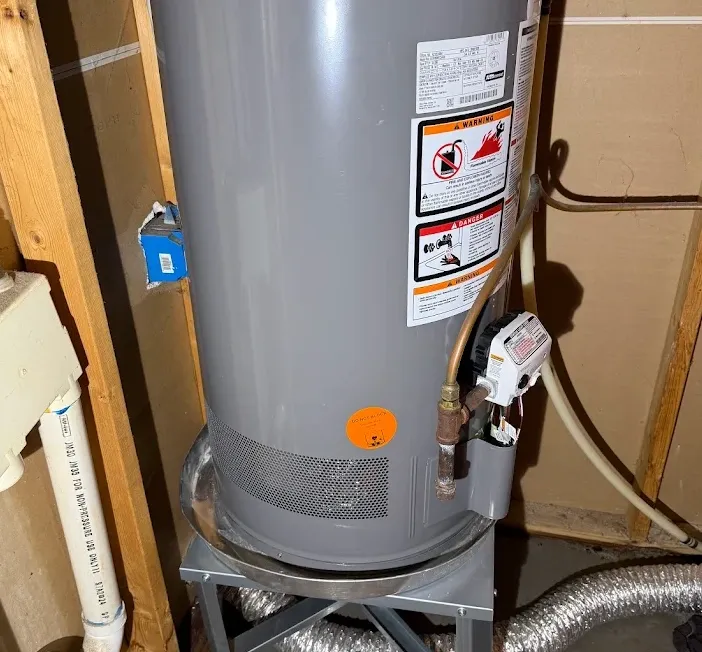
- Water heater condition, venting, and relief valve
- Faucets, fixtures, and shutoff valves
- Toilets, including flappers, fill valves, and seals at the base
- Drains for slow flow or signs of buildup
- The main water shutoff and sewer cleanout access
- Signs of hidden leaks, such as stains or a moving water meter
Our residential plumbing team explains what we find and gives upfront pricing for anything that needs attention. You decide what to do and when.
Water Heater Flushing and Maintenance
Sediment settles at the bottom of a tank water heater over time. It can cause popping noises, reduce efficiency, and shorten the life of the tank. Many manufacturers suggest flushing a tank heater about once a year. Homes with hard water may need it more often. Always follow the owner’s manual.
Tankless water heaters need a different kind of care. Many manufacturers recommend descaling on a regular schedule to remove mineral buildup from the heat exchanger. A plumber can also check the anode rod on a tank heater, the relief valve, and gas venting. Learn more about our water heater service.
Sewer Camera Inspection When Buying an Older Home
A standard home inspection usually doesn’t include a look inside the main sewer line. That line is buried and hard to see, but it can be one of the more expensive parts of a home’s plumbing to repair.
We strongly suggest a sewer camera inspection before you buy an older home, especially in Atlanta neighborhoods with:
- Homes built decades ago that may still have clay or cast iron sewer lines
- Large, mature trees whose roots can grow into sewer pipes
- A long distance from the house to the street
We run a camera through the line to look for roots, cracks, sags (bellies), and collapsed sections, and we can locate problem spots from above ground. Knowing the condition before closing gives you better information for your decision. If we find damage, we’ll explain options for sewer line repair.
🚨 Found a Problem Between Inspections?
Leaks, backups, and water heater failures don’t wait for your next checkup. Call us any time. We are available 24/7.
Commercial Preventative Maintenance
Businesses put more demand on their plumbing, and downtime costs money. Restaurants, offices, retail spaces, and multi-unit properties often benefit from a scheduled preventative maintenance plan instead of waiting for a breakdown.
What Commercial Maintenance Often Includes
- Scheduled drain cleaning for high-use lines, like kitchen drains
- Grease trap inspection and service planning for food businesses
- Checking and servicing commercial flush valves in restrooms
- Inspecting water heaters that serve high demand
- Checking backflow prevention devices, which may require periodic testing
- Looking for leaks at fixtures, drinking fountains, and bottle fillers
How often depends on how heavily the system is used. A busy restaurant kitchen may need attention far more often than a small office. Our commercial plumbing team can help you set a schedule that fits your building and keeps disruptions to a minimum.
Signs You Shouldn’t Wait for Your Next Inspection
- Several drains are slow or gurgling
- Your water bill rises for no clear reason
- You see water stains, mold, or warped floors
- Your water heater is leaking, making loud noises, or running out of hot water
- You smell sewage inside or outside
- Water pressure changes suddenly
If you smell gas, leave the building and call 911 and your gas utility’s emergency line from outside.
Plumbing Inspection FAQs
How often should I have my plumbing inspected?
As general industry guidance, many plumbers suggest a professional inspection about every one to two years for most homes. Older homes, homes with large trees near the sewer line, and homes with past problems may benefit from more frequent checks. You can also do quick monthly checks under sinks and around toilets and your water heater.
How often should I flush my water heater?
Many manufacturers suggest flushing a tank water heater about once a year to clear sediment. Homes with hard water may need it more often. Tankless units usually need periodic descaling instead. Always check your owner’s manual, and call a licensed plumber if you are not comfortable doing it yourself or the drain valve won’t open.
Should I get a sewer camera inspection before buying a house?
For older homes, we strongly recommend it. A standard home inspection usually doesn’t look inside the sewer line, and problems like roots, cracks, and sagging pipe are hard to spot from above. A sewer camera inspection shows the line’s condition before you close, so you can make an informed decision.
Do you offer preventative maintenance for businesses?
Yes. Our commercial plumbing team works with restaurants, offices, retail spaces, and other properties in Greater Atlanta. We can help schedule drain cleaning, grease trap service planning, flush valve repairs, water heater checks, and backflow prevention work based on how your building uses water. Call (678) 330-8439 to talk about a plan.
Schedule Your Plumbing Inspection
Licensed, insured, and available 24/7. Get upfront pricing before any work begins.